Bali Property Investment for Australians : The Complete Guide
- Property LogIQ

- Apr 17
- 6 min read
Everything Australian investors need to know from legal structures and visa rules to the best areas, expected returns, and a step-by-step buying process.

TABLE OF CONTENTS :
Why Australians Are Investing in Bali Property
Bali has long been a favourite holiday destination for Australians but in recent years, a growing number of savvy Aussie investors are making the leap from tourist to property owner. And for good reason. With direct flights from Sydney, Melbourne, Brisbane, Adelaide and Perth running daily, Bali is essentially Australia's backyard. The combination of low entry costs, high rental yields, and a booming tourism market makes Bali property investment for Australians one of the most compelling offshore opportunities available today.
The island attracted over 5 million international tourists in 2024, with Australians consistently ranking as the largest visitor group. Short-term rental platforms like Airbnb have turned well located villas into yield machines, with some properties generating gross returns of 12–20% per year. When you compare that to the 3–5% yields on offer in most Australian capital cities, the appeal is obvious.
"Bali offers something Australian residential property simply can't match right now: genuine yield, entry level affordability, and a tourism market that shows no signs of slowing."
The lifestyle component is also a major drawcard. Many Australian investors structure their Bali property so they can use it personally for several weeks per year, then rent it out for the remainder. Done correctly, this can generate a meaningful income stream while giving you a stunning holiday base in one of the world's most iconic destinations.
L E G A L F R A M E W O R K
Understanding the Legal Structure
Foreign nationals including Australians cannot own freehold property in Indonesia. But there are several legitimate and widely used legal pathways to
Leasehold (Hak Sewa)
The most common structure for foreign buyers. You lease the land directly from the Indonesian landowner for a fixed term typically 25–30 years with an option to extend for a further 25 years. You own the building outright and can sub-lease, sell, or renovate it freely.
Most Australian investors start here. Entry prices from approximately AUD
$130,000.
PT PMA (Foreign-Owned
Company)
Establishing an Indonesian foreign-owned company (PT PMA) allows you to hold Hak Pakai (Right to Use) or Hak Guna Bangunan (Right to Build) titles stronger than leasehold and closer to freehold. This is the preferred structure for investors buying multiple properties or higher-value assets. Requires a local notary and ongoing compliance, but gives
you the most legally robust position.
Nominee Arrangements
Some agents suggest using an Indonesian nominee to hold freehold title (Hak Milik) on your behalf. This arrangement is technically illegal under Indonesian law, offers zero legal protection, and can result in you losing the property entirely.
PropertyLogiQ strongly advises against this structure. Always work with a licensed Indonesian notary
(Notaris) and an independent lawyer
Key Legal Tip for Australian Buyers Always engage an independent Indonesian notary (Notaris) and a bilingual property lawyer before signing any documents. Never rely solely on the developer's or agent's legal team. Ensure any lease agreement is registered with the local land office (BPN) and includes clear renewal terms, transfer rights, and what happens to the building at lease end. |
T H E P R O C E S S
Step by Step: How to Buy Property in Bali as an Australian
Follow these 8 steps to invest in Bali property safely and confidently from Australia.
|
|
|
|
|
|
|
(Property LogIQ will provide you all end to end solutions to managed your property investment ) |
LO C AT I O N G U I D E
Best Areas to Invest in Bali
Each area of Bali offers a distinct investment profile. Here's what Australians need to know about the top five zones.

Seminyak
Seminyak is Bali's most mature luxury tourist
precinct, a strip of world class restaurants, beach clubs, boutiques, and private villas just minutes from the beach. It attracts high spending tourists year round, which translates into premium nightly rates and strong occupancy. For Australian investors seeking a proven, lower risk entry into Bali property investment, Seminyak remains the gold standard. Expect to pay more upfront, but benefit
from deeper liquidity and established rental demand.
Canggu
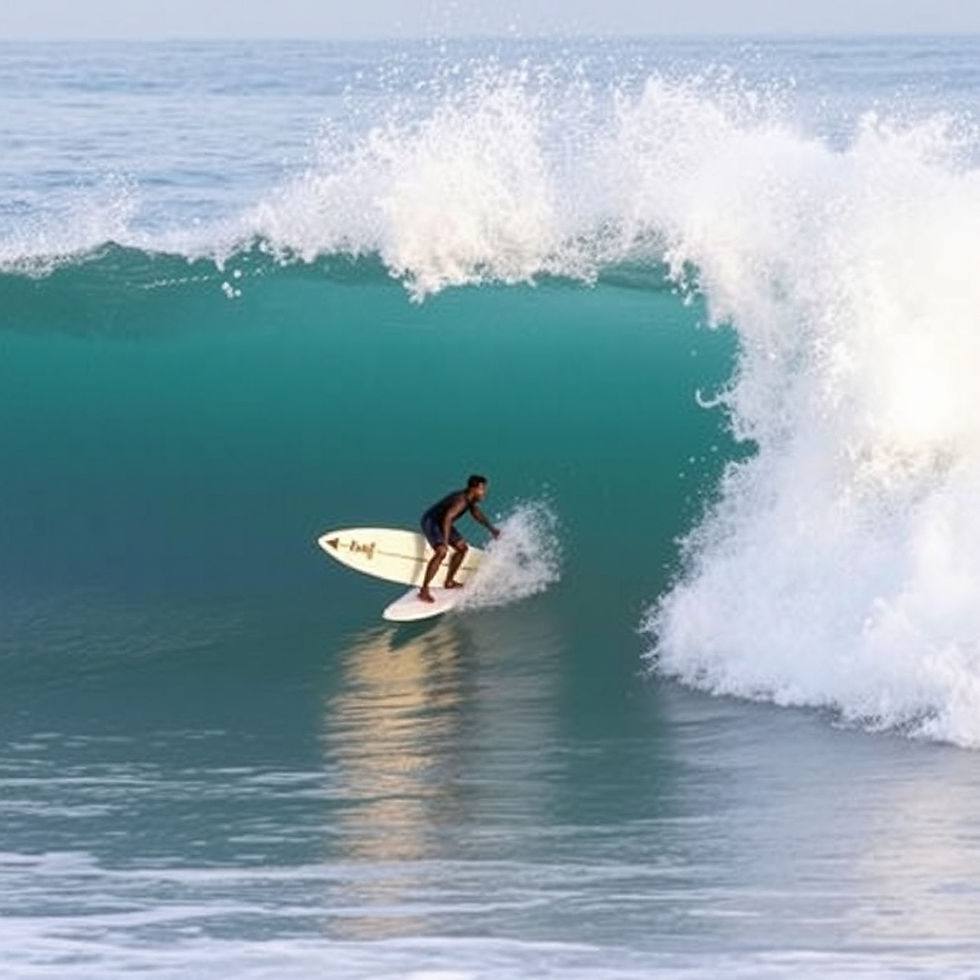
Canggu has undergone a dramatic transformation over the past decade from sleepy rice field village to Bali's. most in-demand digital nomad and lifestyle hub. The
combination of world class surf, a booming café scene, and a young, international crowd has driven property values up sharply. Investors who entered Canggu in 2015–2019 have seen spectacular capital growth. New sub areas like Pererenan and Berawa continue to emerge as the Canggu premium pushes buyers outward. This is currently the most competitive market in Bali for a
reason.

UBUD
Nestled among ancient rice terraces and jungle valleys,Ubud is Bali's cultural and spiritual heartland. It draws a very different tourist profile wellness travellers, artists, honeymooners, and longer-stay visitors who value serenity over nightlife. Ubud villas with jungle views, private pools, and rice terrace outlooks command exceptional nightly rates for the right guests, and the year round wellness tourism market provides a degree of insulation from seasonal fluctuations. Ideal for investors who want to blend lifestyle usage with solid rental income.

Uluwatu & The Bukit
Peninsula
The dramatic limestone cliffs of Uluwatu and the wider Bukit Peninsula have become one of the hottest development corridors in all of Bali. Cliff-top villas with unobstructed Indian Ocean views command among the highest nightly rates on the island — some luxury properties exceed USD $2,000 per night in peak season. The area is also home to world-famous surf breaks, attracting a high-spending international crowd. With land prices still lower than Seminyak or Canggu in many pockets, Uluwatu represents a compelling opportunity for investors who can secure a prime ocean-view site.
Nusa Dua and Sanur

Nusa Dua is Bali's established five-star resort corridor — home to the Mulia, St. Regis, Conrad, and Grand Hyatt. The area is well-planned, well-maintained, and popular with families and corporate travellers. Sanur, on the east coast, offers a quieter, more relaxed alternative with a strong expat community and reliable long-term rental demand. Both areas offer a more conservative investment profile compared to Canggu or Uluwatu — lower headline yields, but also lower vacancy risk and a more stable tenant base including long-term expat residents
R E T U R N S
Expected Returns & ROI for Australian Investors
Rental yields in Bali vary significantly by area, property type, and quality of management. The figures below are based on market data and are intended as a general guide — actual results will depend on your property's unique attributes, management, and market conditions at the time of purchase.
AREA | GROSS YIELD | AVG. NIGHTLY RATE ( AUD) | OCCUPANCY | RISK LEVEL |
Seminyak | 12–16% | $350–$800 |
75–85% | Low–Med |
Canggu / Pererenan | 14–20% | $250–$650 |
80–90% | Medium |
Ubud | 10–15% | $200–$500 |
65–80% | Low–Med |
Uluwatu / Bukit | 15–22% | $400–$1,200 |
70–85% | Medium |
Nusa Dua / Sanur | 8–12% | $200–$450 |
65–75% | Low |
Net vs. Gross Yield: What to Expect
Gross yields are quoted before expenses. Once you account for property management fees (20–30%), maintenance, cleaning, OTA platform fees, local taxes, and land lease costs, net yields typically come in at 6 12%. This still compares very favourably to Australian residential property, but it's important to model your numbers conservatively before committing to a purchase. |
Key Risks for Australian Investors
Like any investment, Bali property carries risks that need to be understood and managed: Currency risk: Your income will be in Indonesian Rupiah (IDR) and Australian dollars will fluctuate against it. This can work in your favour or against you. Consider hedging strategies if you're relying on rental income.
Legal risk: The most common issue for foreign investors is poorly structured agreements leases without proper title verification, agreements that don't clearly specify renewal terms, or reliance on illegal nominee structures. Always use an independent lawyer.
Management risk: A poorly managed property will underperform regardless of its location. Vet your property manager thoroughly, check their track record and reviews, and visit the property regularly.
Tourism cycle risk: Bali's tourism market can be impacted by external events as COVID-19 demonstrated in 2020–2021. Ensure you have sufficient financial reserves to cover holding costs during any potential downturns.
Regulation changes: Indonesian property laws and visa regulations can change. Stay engaged with a local legal adviser to ensure your structure remains compliant.
Tax consideration for Australians
Australian tax residents must declare all foreign-sourced rental income to the ATO. Indonesia also applies a withholding tax on rental income earned by foreigners (currently 20% for non-residents under the standard treaty rate, though this can be reduced under the Australia-Indonesia Double Tax Agreement). Key considerations include:
Double Tax Agreement (DTA): Australia and Indonesia have a DTA in place that helps prevent double taxation. Taxes paid in Indonesia may be credited against your Australian tax liability. Seek advice from a tax accountant experienced in cross-border property investment.
PPSA & FBAR: Large transfers of funds internationally should be reported to AUSTRAC. While there's no specific Foreign Bank Account Reporting requirement in Australia equivalent to the US FBAR, you should keep detailed records of all offshore assets for your ATO disclosures.
CGT: If you sell a Bali property at a profit, the gain may be subject to both Indonesian transfer taxes and Australian CGT. The tax treatment will depend on your residency status, the holding period, and your tax structure. Professional advice is essential.
FAQ
Frequently Asked Questions
Can Australians own freehold property in Bali?
No. Indonesian law prohibits foreign nationals from holding Hak Milik (freehold title). However, Australians can legally invest through leasehold structures or via a foreign-owned company (PT PMA), both of which offer secure, commercially viable paths to property ownership in Bali.
Do I need to be in Bali to buy a property?
Not necessarily. It's strongly recommended that you visit in person before committing, but the actual purchase and signing can be completed via a Power of Attorney if you cannot travel.
Property LogIQ will guide you through this process.
What is the minimum budget for Bali property investment for Australians
You can enter the Bali property market from approximately AUD $130,000–$180,000 for a leasehold villa in emerging areas. Well located villas in Canggu or Seminyak typically start from AUD $250,000–$350,000. Budget conscious investors sometimes consider investing in off-plan developments, though this carries additional risks.
Is rental income from Bali taxable in Australia?
Yes. All foreign sourced rental income must be declared to the ATO. The Australia Indonesia Double Tax Agreement may allow you to offset Indonesian taxes paid against your Australian liability. Engage a tax accountant familiar with cross-border property investment.
Can I use superannuation to invest in Bali property?
Absolutely, Direct investment in overseas property through an SMSF is subject to strict ATO rules and is generally not straightforward for Bali real estate. Seek advice from an SMSF specialist before pursuing this path.
Managing property investments doesn’t have to be complicated. Property Logiq simplifies every aspect of property management, from day to day tasks to long term strategy.
Ready to streamline your property management and unlock new wealth building opportunities? Explore how property logiq can transform your investment experience today.
Start managing smarter. Grow your wealth faster. The future of property investment is here.
Start Your Bali Investment Journey Today
PropertyLogiQ helps Australians navigate offshore property investment with confidence. From initial strategy to settlement and beyond — we're with you every step of the way.
Disclaimer: This article is intended as general information only and does not constitute financial, legal, or tax advice. Property investment carries risk. Past yields and returns do not guarantee future performance. Always engagequalified legal, tax, and financial advisers before making any investment decision. PropertyLogiQ does not hold an Australian Financial Services Licence (AFSL).


Comments